March 22, 1420
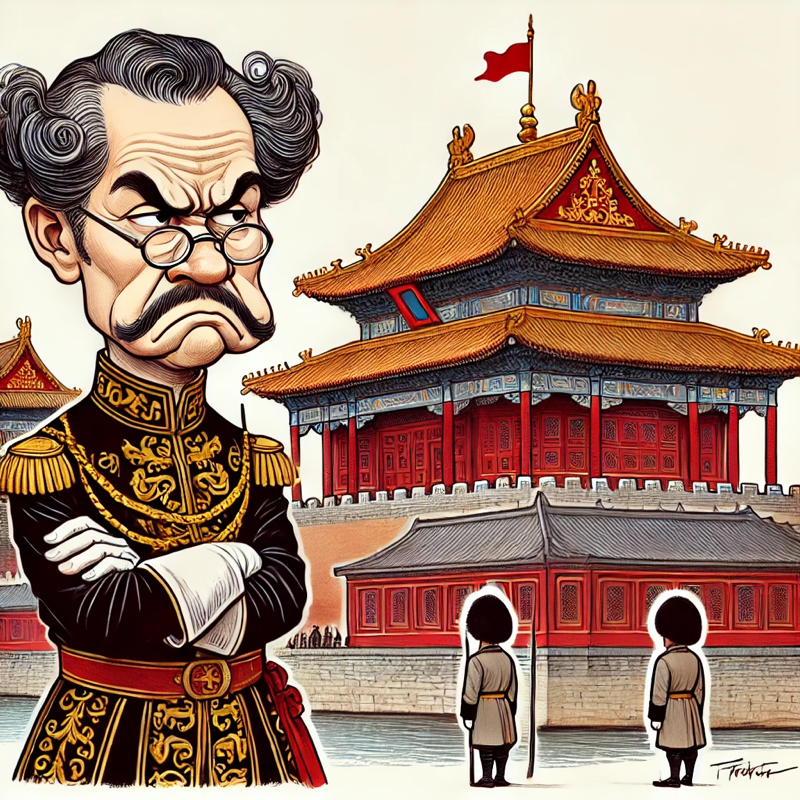
BEIJING, CHINA – Emperor Zhu Di has officially moved into the Forbidden City, marking Beijing the new home of the imperial palace and the defacto capitol of China.
The construction of the Forbidden City was a massive undertaking, employing over 100,000 skilled artisans and nearly a million laborers. The palace’s grand pillars are rumored to be made from entire logs of rare Phoebe zhennan wood, while the floors of major halls are paved with so-called “golden bricks” that took months to bake, producing a smooth finish and a metallic ring when struck. Massive stone terraces and intricate carvings were so large that they had to be transported from nearby quarries by engineered ice roads built specifically for the project.
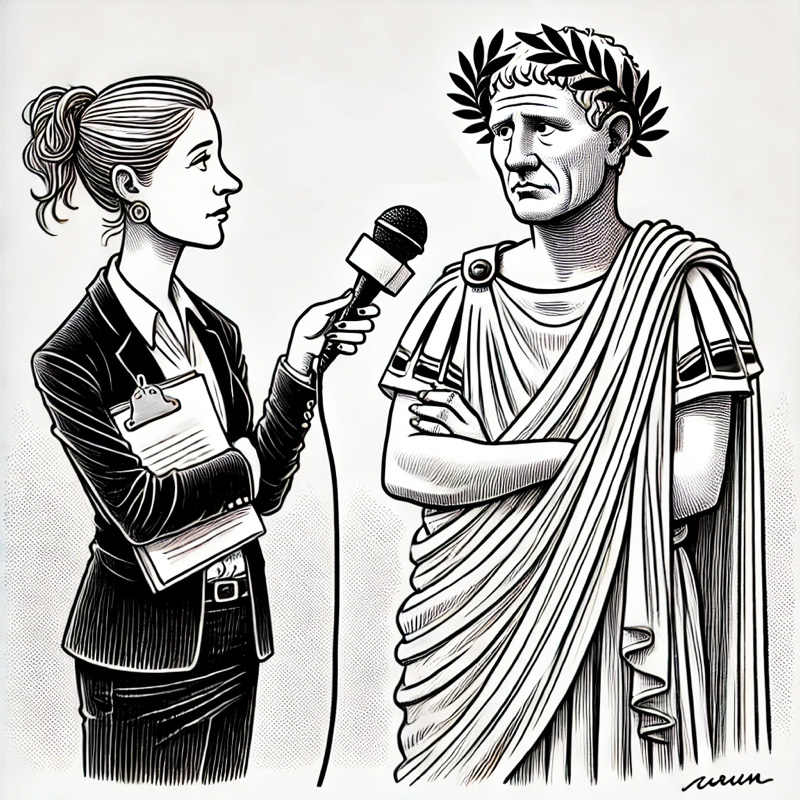
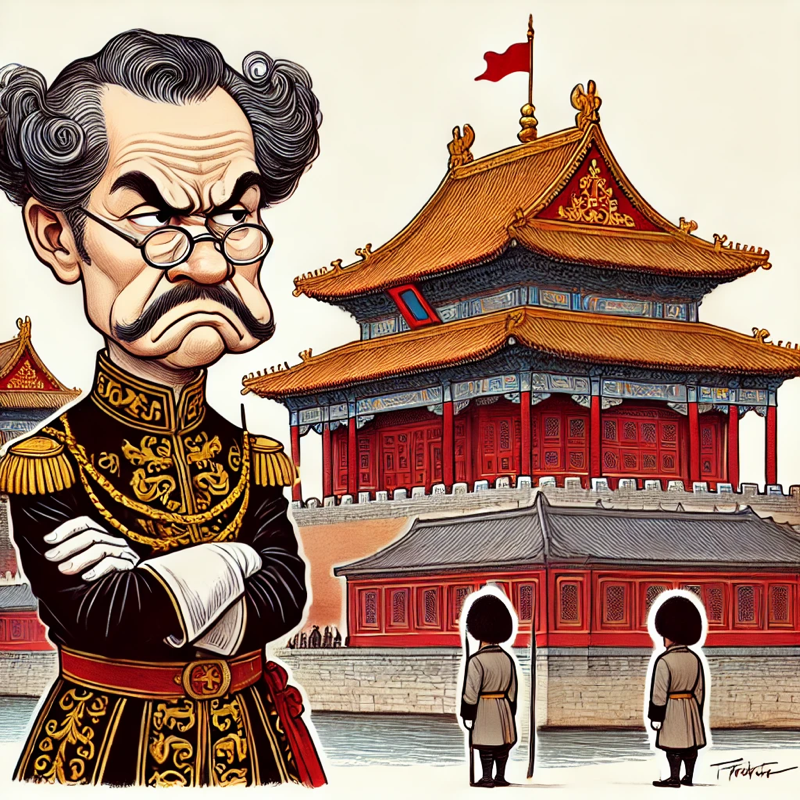
When No Longer Hot Off the Press asked King Charles VI of France—Europe’s most powerful ruler—if China’s monumental display of engineering, design, and manufacturing was cause for concern, he scoffed: “The Chinese actually copied our tech! If it weren’t for Western expertise, they wouldn’t have the ingenuity to manufacture anything, much less a palace. Also, if the Chinese were really so advanced, they’d have invented something useful—like jousting or bloodletting.”
The King made no further comments when asked about advanced Chinese technologies like firearms, artillery, multi-masted ships, the seed drill, cast iron, steel, the woodblock printing press and the development of anesthetics.
 No Longer Hot Off the Press
Leave a comment